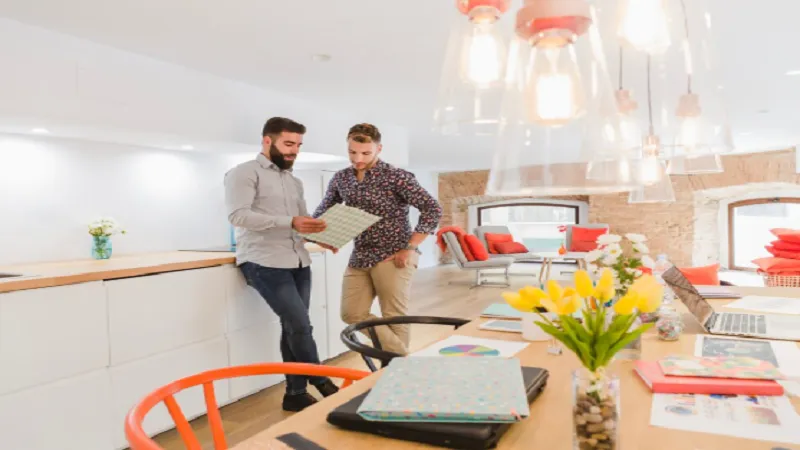
Creating a comfortable and beautiful home does not require expensive materials or professional training. With careful planning, thoughtful choices, and attention to detail, anyone can design a space that feels welcoming and functional. This guide on interior advice mintpalhouse explains practical and simple ways to improve your home’s interior without unnecessary stress or cost. The goal is to help you understand how to combine style, comfort, and organization in a balanced way.
Interior design is not only about decoration. It is about creating an environment that supports your daily life. Whether you live in a small apartment or a large house, the right approach can make your space feel more open, brighter, and more organized.
1. Start with a Clear Plan
Before moving furniture or buying decorations, it is important to create a clear plan. Planning saves time, money, and energy.
Guidelines for Planning:
-
Measure your rooms carefully.
-
Identify the purpose of each space.
-
Decide on a general style (modern, traditional, minimalist, rustic, etc.).
-
Set a realistic budget.
-
Make a list of necessary items before purchasing anything.
When following interior advice mintpalhouse, start with understanding how you use your space daily. For example, a living room used mainly for relaxation should feel calm and cozy, while a home office should support focus and productivity.
A well-thought-out plan prevents overcrowding and ensures every item has a purpose.
2. Choose the Right Color Palette
Color plays a major role in shaping the mood of a room. Light colors can make a small space feel bigger, while darker shades can create warmth and intimacy.
Tips for Choosing Colors:
-
Use neutral tones for walls if you want flexibility.
-
Add brighter colors through accessories like cushions or artwork.
-
Consider natural light when selecting paint colors.
-
Use no more than three main colors in one room.
Another key point in interior advice mintpalhouse is choosing colors that reflect your personality while maintaining balance. Soft blues and greens create calmness, while warm tones like beige and light brown offer comfort. Avoid using too many strong colors together, as this may make the room feel chaotic.
Remember, paint is one of the easiest and most affordable ways to transform a space.
3. Focus on Furniture Placement
Furniture arrangement affects how a room feels and functions. Even expensive furniture can look unattractive if placed incorrectly.
Basic Placement Principles:
-
Leave enough space for easy movement.
-
Avoid blocking windows and natural light.
-
Place larger furniture pieces first.
-
Keep pathways clear.
In small rooms, choose multi-functional furniture, such as a sofa bed or storage ottoman. In larger rooms, avoid pushing all furniture against the walls. Instead, create zones that define specific uses.
Good furniture placement makes a room feel organized and comfortable rather than crowded.
4. Maximize Natural Light
Lighting is essential in interior design. Natural light improves mood and makes spaces appear larger and fresher.
Ways to Improve Natural Light:
-
Use light-colored curtains or blinds.
-
Keep windows clean and unobstructed.
-
Place mirrors opposite windows to reflect light.
-
Choose glossy or reflective surfaces carefully.
If natural light is limited, use layered lighting. Combine ceiling lights, table lamps, and floor lamps to create warmth and dimension. Soft white bulbs often create a more comfortable atmosphere compared to harsh white lighting.
Good lighting highlights your design choices and enhances the overall appearance of your home.
5. Add Texture and Layers
A room without texture can feel flat and uninviting. Texture adds depth and character.
Examples of Texture:
-
Rugs
-
Cushions
-
Curtains
-
Wooden furniture
-
Metal or glass accents
-
Fabric upholstery
Mixing materials like wood, fabric, metal, and glass creates visual interest. For example, a soft rug paired with a leather sofa and wooden coffee table creates balance.
Layering also applies to bedding. Combining sheets, blankets, and decorative pillows makes a bedroom feel more luxurious and cozy.
6. Keep Clutter Under Control
Clutter can quickly ruin even the most beautiful interior design. Organization is key to maintaining a clean and peaceful home.
Decluttering Guidelines:
-
Remove items you no longer use.
-
Use storage boxes and baskets.
-
Install shelves to save floor space.
-
Organize drawers with dividers.
-
Follow a “one in, one out” rule when buying new items.
A tidy home looks larger and feels more relaxing. Storage solutions should be practical and match your overall design style.
Regular cleaning and organization prevent small messes from becoming overwhelming.
7. Personalize Your Space
Your home should reflect your personality. Adding personal touches makes it unique and meaningful.
Ways to Personalize:
-
Display family photos.
-
Add artwork you love.
-
Include travel souvenirs.
-
Use handmade decorations.
-
Incorporate meaningful colors.
While trends can be inspiring, avoid copying styles that do not feel natural to you. The most beautiful interiors are those that combine function with personal expression.
A home that reflects your story will always feel more comfortable and authentic.
8. Balance Comfort and Style
It is easy to focus too much on appearance and forget comfort. A stylish chair that is uncomfortable will not be used often.
Balance Tips:
-
Test furniture before buying.
-
Choose fabrics that are durable and soft.
-
Use cushions for added support.
-
Select easy-to-clean materials if you have children or pets.
When applying interior advice mintpalhouse, it is important to remember that comfort should never be sacrificed for appearance. A beautiful home should also be practical for everyday living.
9. Use Decorative Elements Wisely
Decorations enhance your space but should not overwhelm it.
Smart Decoration Tips:
-
Use statement pieces carefully.
-
Avoid overcrowding walls.
-
Choose quality over quantity.
-
Maintain visual balance.
-
Keep surfaces partially clear.
For example, instead of filling every shelf with small objects, choose a few larger decorative pieces that stand out. Plants are also excellent decorative elements because they add freshness and color.
Indoor plants improve air quality and bring a natural touch to any room.
10. Maintain Consistency Throughout the Home
Consistency helps create harmony between rooms. While each room can have its own character, there should be a sense of connection.
How to Maintain Consistency:
-
Use similar color tones throughout.
-
Repeat materials like wood or metal finishes.
-
Keep flooring consistent when possible.
-
Maintain a common design theme.
Consistency does not mean everything must match perfectly. Instead, it means the transition between spaces feels smooth and natural.
11. Update Gradually
You do not need to redesign your entire home at once. Small changes can make a big difference.
Gradual Update Ideas:
-
Replace old cushions.
-
Change curtains.
-
Add a new rug.
-
Repaint one wall.
-
Rearrange furniture.
Taking small steps allows you to experiment and understand what works best for your space. It also prevents unnecessary spending.
Home improvement is a continuous process rather than a one-time project.
12. Create a Relaxing Bedroom Environment
The bedroom should be a peaceful retreat.
Bedroom Design Guidelines:
-
Choose calming colors.
-
Use soft lighting.
-
Invest in quality bedding.
-
Avoid excessive electronics.
-
Keep the space clean and organized.
A comfortable mattress and supportive pillows are essential for good sleep. Minimal decoration often works best in bedrooms, as it promotes relaxation.
13. Design a Functional Kitchen
The kitchen is one of the most frequently used spaces in a home.
Kitchen Improvement Tips:
-
Keep countertops clear.
-
Use cabinets efficiently.
-
Install adequate lighting.
-
Choose durable materials.
-
Organize utensils logically.
A well-designed kitchen makes cooking easier and more enjoyable. Good storage reduces clutter and improves efficiency.
Conclusion
Designing a home interior does not have to be complicated or expensive. With thoughtful planning, balanced colors, proper lighting, and smart organization, any space can become more attractive and functional. By applying interior advice mintpalhouse thoughtfully and consistently, you can create a home that reflects your personality while meeting your daily needs.
Remember that interior design is about comfort, balance, and practicality. Small improvements can lead to big results over time. Focus on simplicity, maintain harmony, and prioritize comfort to build a space you truly enjoy living in.