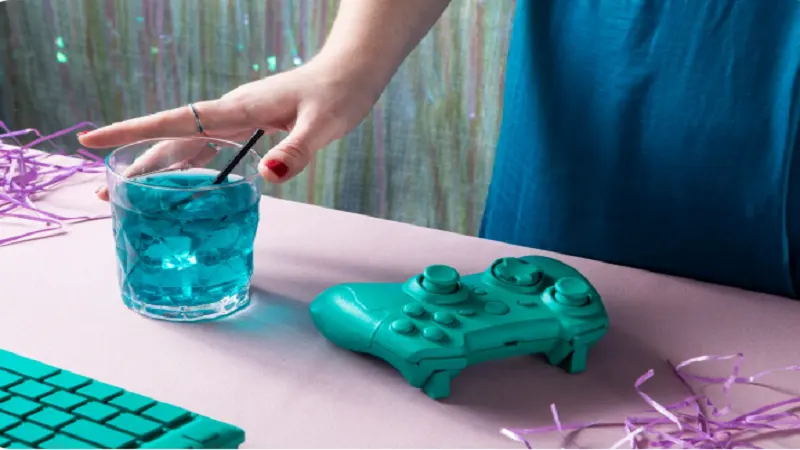
Game controllers play a major role in how players interact with digital worlds. A well-designed controller can make games feel natural, responsive, and enjoyable, while a poorly designed one can create frustration and limit creativity. In recent years, many independent studios have experimented with new control systems to improve accessibility and gameplay depth. One such example is the Uggcontroman controller from Under Growth Games, which has drawn attention for its focus on flexibility, learning, and player comfort.
This article provides a simple and informative overview of this controller concept, explaining its design goals, core features, usage guidelines, and overall value for different types of players. Rather than promoting any platform or website, the focus here is on understanding the controller itself and how it fits into modern gaming experiences.
Understanding the Design Philosophy
The main idea behind this controller is to reduce complexity without removing player control. Many modern games rely on controllers with numerous buttons, triggers, and combinations that can feel overwhelming, especially for new or younger players. The design philosophy emphasizes clarity, consistency, and adaptability.
Instead of forcing players to memorize complicated inputs, the controller layout encourages intuitive actions. Common movements and commands are grouped logically, allowing players to learn by doing. This approach supports both casual gameplay and more focused practice sessions.
Another important design goal is accessibility. The controller is intended to be usable by players with different skill levels and physical abilities. By focusing on comfort and adjustable input options, the developers aimed to make gaming more inclusive.
Core Features and Functions
At the heart of this controller concept are several key features that define how it works:
1. Simplified Button Layout
The controller avoids overcrowding. Essential actions are assigned to easily reachable buttons, reducing hand strain and confusion. This makes it easier for players to focus on gameplay rather than finger placement.
2. Customizable Input Mapping
Players can remap controls to suit their preferences. This flexibility is especially helpful for those who play multiple game genres or want to experiment with different control styles.
3. Responsive Feedback
Feedback, such as vibration or visual cues, helps players understand when an action is successful. Clear feedback improves learning and reduces errors during gameplay.
4. Adaptive Learning Support
In some games, the controller system can adapt over time, recognizing player habits and suggesting minor adjustments for smoother control.
These features work together to create a balanced system that supports both beginners and experienced players. Within this context, the UggControman controller from Under Growth Games stands out as a thoughtful attempt to blend simplicity with depth.
Setup and Basic Usage Guidelines
Using the controller effectively begins with proper setup. While the exact steps may vary depending on the game, the general process follows a few simple guidelines.
Step 1: Initial Configuration
When starting a game, players are usually guided through a short setup phase. This may include selecting a control preset or creating a custom layout. It is recommended to begin with the default settings and make changes gradually.
Step 2: Calibration and Sensitivity
Adjusting sensitivity helps ensure smooth movement and accurate input. Lower sensitivity can help with precision, while higher sensitivity may suit faster-paced games.
Step 3: Practice Mode
Many games include a practice or tutorial area. Spending time here allows players to get comfortable with the controller without pressure. This is especially useful for understanding timing and feedback.
During this learning phase, the UggControman controller from Under Growth Games is designed to feel approachable, encouraging experimentation rather than punishment for mistakes.
Learning Curve and Player Experience
One of the most important aspects of any controller is how quickly players can learn it. A steep learning curve can discourage new users, while a flat one may limit advanced play. This controller aims for a balanced curve.
New players often report that basic actions feel natural within a short time. Movement, interaction, and menu navigation are straightforward, which helps build confidence. As players progress, they can unlock or activate more advanced control options, adding depth without overwhelming them early on.
This gradual learning process supports long-term engagement. Players are not forced to master everything at once, which makes the experience more enjoyable and less stressful.
Use in Different Game Genres
A good controller should adapt well to various types of games. While no single design is perfect for every genre, this controller system shows versatility.
Action and Adventure Games
In action-based games, responsiveness is critical. The simplified layout helps players react quickly, while customizable inputs allow fine-tuning for combat or exploration.
Puzzle and Strategy Games
For slower-paced games, precision and clarity matter more than speed. The controller’s feedback and logical button grouping support careful planning and thoughtful interaction.
Creative and Simulation Games
Games that focus on building, creating, or managing systems benefit from flexible controls. Players can assign functions in ways that match their workflow, improving efficiency and enjoyment.
Across these genres, the Uggcontroman controller from Under Growth Games demonstrates how a unified control philosophy can support diverse gameplay styles.
Comfort and Ergonomics
Physical comfort is often overlooked, but it plays a huge role in long gaming sessions. Poor ergonomics can lead to fatigue or discomfort, reducing enjoyment and focus.
This controller design prioritizes natural hand positioning. Buttons are placed to minimize stretching, and the overall shape supports relaxed grip styles. These choices help reduce strain during extended play.
Additionally, the ability to remap controls means players can adjust layouts to fit their hands and preferences. This personalization is a key factor in long-term comfort.
Community Feedback and Learning Support
Player communities are valuable sources of feedback and shared knowledge. Discussions often highlight how easily new players adapt to the controller and how experienced players appreciate the customization options.
Guides, tutorials, and shared control layouts help players learn from one another. This collaborative learning environment strengthens the overall experience and encourages experimentation.
In this way, the Uggcontroman controller from Under Growth Games benefits not only from its initial design but also from how players interact with and refine their use of it over time.
Limitations and Areas for Improvement
No controller system is without limitations. Some players may prefer traditional layouts and find simplified designs less satisfying. Others may want even more advanced customization or additional feedback options.
Another challenge is compatibility. While the controller concept works well within its intended games, adapting it perfectly to every possible genre or play style can be difficult.
Acknowledging these limitations is important. Constructive feedback helps developers improve future versions and refine existing systems.
Conclusion
The evolution of game controllers reflects the changing needs of players. Simplicity, accessibility, and adaptability are becoming just as important as technical precision. This controller concept shows how thoughtful design can support learning, comfort, and creativity without sacrificing control.
By focusing on intuitive layouts, customization, and gradual learning, the Uggcontroman controller from Under Growth Games offers a clear example of how modern controllers can serve a wide range of players. Whether someone is new to gaming or looking for a more comfortable and flexible control system, the ideas behind this controller highlight meaningful directions for the future of interactive design.