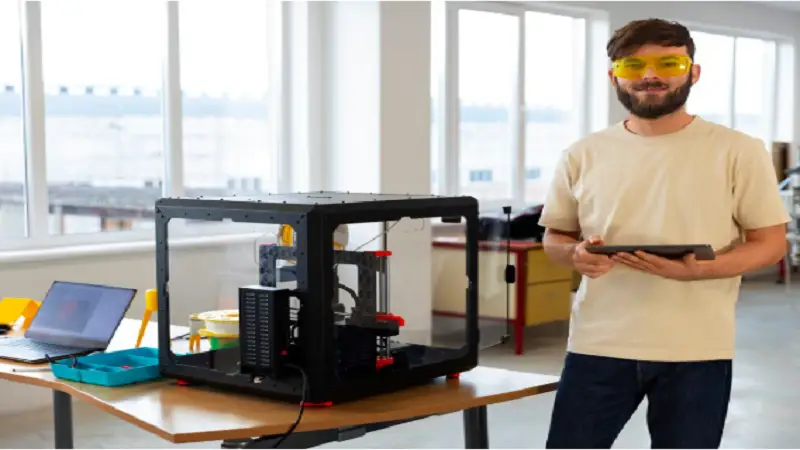
Modern technology evolves quickly, and hardware innovation plays a major role in shaping how people learn, create, and solve problems. The idea behind new hardware lcfmodgeeks is centered on understanding emerging physical components—such as processors, sensors, storage, and interfaces—clearly and practically. This article is written to be simple, informative, and useful for students, hobbyists, and beginners who want to understand what modern hardware is, how it works, and how to approach it responsibly.
Rather than focusing on brands or promotions, this guide explains concepts, trends, and best practices. By the end, readers should have a strong foundation in current hardware developments and the skills needed to explore them safely and effectively.
What Is Modern Computer Hardware?
Computer hardware refers to the physical parts of a computing system. These include devices you can see and touch, unlike software, which exists as code. Modern hardware has advanced far beyond basic desktops and laptops, expanding into embedded systems, wearable devices, and smart tools used in everyday life.
Key categories of hardware include:
-
Processing units – CPUs, GPUs, and specialized chips that perform calculations.
-
Memory and storage – RAM for short-term tasks and SSDs or other drives for long-term data.
-
Input and output devices – Keyboards, screens, cameras, sensors, and speakers.
-
Connectivity components – Network cards, wireless modules, and ports.
Understanding how these parts work together helps users troubleshoot problems, make informed upgrades, and design efficient systems.
Key Trends in New Hardware Development
Hardware design today is influenced by performance demands, energy efficiency, and accessibility. Some major trends include:
1. Energy-Efficient Processing
Manufacturers focus on chips that deliver higher performance while using less power. This is important for laptops, tablets, and battery-powered devices, as well as for reducing environmental impact.
2. Specialized Hardware
Instead of one general-purpose processor, many systems now use specialized components. Examples include graphics processors for visual tasks and dedicated accelerators for artificial intelligence workloads.
3. Compact and Modular Designs
Smaller components allow devices to be lighter and more portable. Modular designs also make it easier to repair or upgrade specific parts without replacing an entire system.
4. Hardware for Learning and Experimentation
Development boards and simple kits allow learners to experiment with electronics and programming. These tools help bridge theory and real-world application.
These trends show that modern hardware is not just about speed, but also about efficiency, flexibility, and education.
Core Components You Should Understand
To build a solid foundation, it helps to know the main components found in most systems related to new hardware lcfmodgeeks concepts.
Central Processing Unit (CPU)
The CPU is often called the “brain” of the computer. It executes instructions and coordinates tasks. Modern CPUs have multiple cores, allowing them to handle several tasks at once.
Graphics Processing Unit (GPU)
Originally designed for rendering images, GPUs now support tasks like video processing and machine learning. They are especially useful when handling large amounts of parallel data.
Memory (RAM)
RAM temporarily stores data that the system is actively using. More RAM allows smoother multitasking and better performance for demanding applications.
Storage Devices
Solid-state drives are now common due to their speed and durability. Storage choice affects how fast a system boots and loads files.
Input, Output, and Sensors
Keyboards, mice, touchscreens, cameras, and sensors allow interaction with devices. In many modern systems, sensors enable automation and smart features.
Why Hardware Knowledge Matters
Understanding hardware is not only for engineers. It benefits many different users:
-
Students gain practical insight into how technology works.
-
Creators can optimize tools for video, audio, or design work.
-
Every day users make better decisions when buying or upgrading devices.
A basic understanding of hardware also improves digital literacy. It helps people recognize limitations, avoid misuse, and appreciate the effort behind technological progress.
Guidelines for Learning and Using Modern Hardware
When exploring topics related to new hardware lcfmodgeeks, following clear guidelines ensures safe and effective learning.
1. Start With Fundamentals
Before diving into advanced projects, learn basic concepts like voltage, data flow, and component roles. Strong fundamentals prevent confusion later.
2. Focus on Safety
Hardware involves electricity and delicate components. Always power off devices before working on them and handle parts carefully to avoid damage.
3. Learn Through Documentation
Manuals and technical guides explain how components are designed to be used. Reading them builds good habits and reduces trial-and-error mistakes.
4. Test Incrementally
When building or modifying systems, test changes step by step. This approach makes troubleshooting easier and teaches patience.
5. Respect Ethical Use
Hardware knowledge should be used responsibly. Avoid activities that could harm systems, invade privacy, or break rules.
Common Challenges and How to Overcome Them
Learning hardware can feel overwhelming at first. Some common challenges include:
-
Complex terminology – Solution: keep a glossary and learn terms gradually.
-
Fear of breaking components – Solution: practice with low-cost or educational kits.
-
Information overload – Solution: focus on one topic at a time and build confidence.
Patience and consistency are key. Even experts started with simple steps.
The Role of Hardware in Future Technology
Hardware development will continue to influence fields such as education, healthcare, and environmental science. Smaller, smarter, and more efficient devices will enable new solutions to global problems.
Students and learners who understand hardware today will be better prepared for future careers. Skills like system thinking, problem-solving, and technical literacy remain valuable regardless of specific tools.
Conclusion
Modern hardware is the foundation of today’s digital world. By learning how components work, how trends shape design, and how to follow responsible guidelines, anyone can gain confidence in this field. The concepts discussed under new hardware lcfmodgeeks highlight the importance of clarity, safety, and curiosity when approaching technology. With steady learning and ethical use, hardware knowledge becomes a powerful skill that supports creativity, innovation, and understanding in an increasingly connected world.